
CATCH Clip
Three experts offer practical ways to move beyond repetitive parent-child arguments and communicate more effectively.

Three experts offer practical ways to move beyond repetitive parent-child arguments and communicate more effectively.
Learn how to resist pressure to overmanage children’s lives and create more room for independence, resilience, and authentic growth.
Explore how self-regulation and co-regulation help parents handle tough conversations, strengthen communication, and build a more resilient parent-child relationship.
Learn how the P.A.C.E. approach helps parents stay regulated, connect with their child, and respond effectively during difficult moments.

Find practical ways to calm household chaos, reduce parenting stress, and create more moments of joy and connection with your children.
Learn practical, research-informed ways to raise resilient, capable children with compassion, perspective, and long-term growth in mind.
Choose one core family value and use small, intentional daily actions to help children practice it and grow.
Learn why meaningful contribution at home builds confidence, capability, responsibility, and a stronger sense of belonging.
Explore why manageable discomfort is often essential for building resilience, confidence, and problem-solving skills in children.
Learn why doing less and trusting more gives children space to build capability, responsibility, and independence.
Discover how stepping back during everyday challenges can help children become more independent, confident, and capable.
Early childhood educator Sue Carr explains why independent play is essential learning and how parents can step back to help young children grow.
Amy Oberholtzer’s adult children share candid advice about growing up, parent-child relationships, social media, and what kids need from parents.
Discover simple ways to break the ice, listen without judgment, and create conversations that help teenagers open up.
Learn to recognize early signs of mental health struggles and build a collaborative relationship that supports your child’s confidence and well-being.
Use the S.O.Y. validation tool to listen, acknowledge feelings, and respond more effectively when parenting teens.
Amy and Shawn Oberholtzer reflect on anxiety, independence, self-worth, and the courage parents and children need to let go and grow.
Lisa Ehrlich-Menard discusses how parents can communicate unconditional love and stay connected even during anger, conflict, and difficult behavior.
Amy Oberholtzer and Anne Neumann share real-life strategies for noticing children’s needs, making space for feelings, and balancing structure with free time.
Explore how overparenting, overscheduling, technology, and limited independence affect children, and learn strategies that foster resilience and free play.
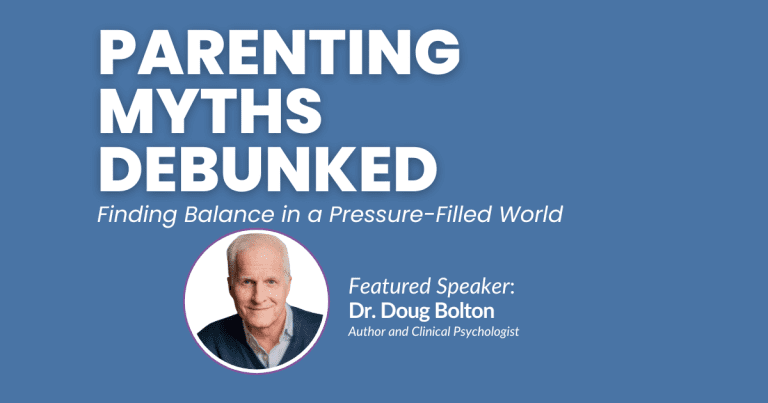
Dr. Doug Bolton challenges common parenting myths about achievement, praise, money, and success while offering a healthier path toward resilience and connection.
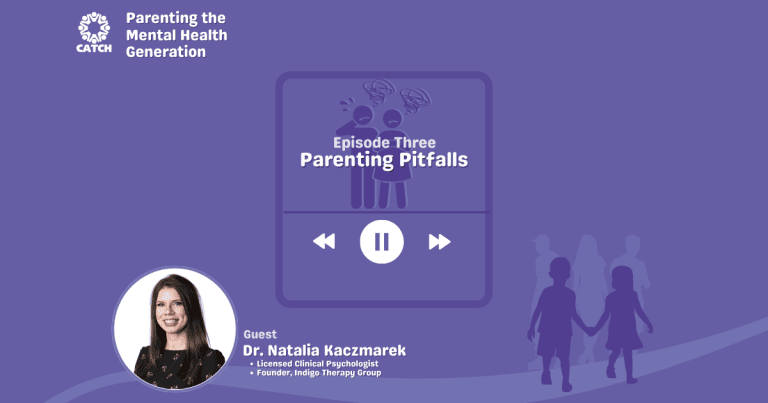
Dr. Natalia Kaczmarek explores common parenting pitfalls and how adults can course correct in ways that genuinely support children.
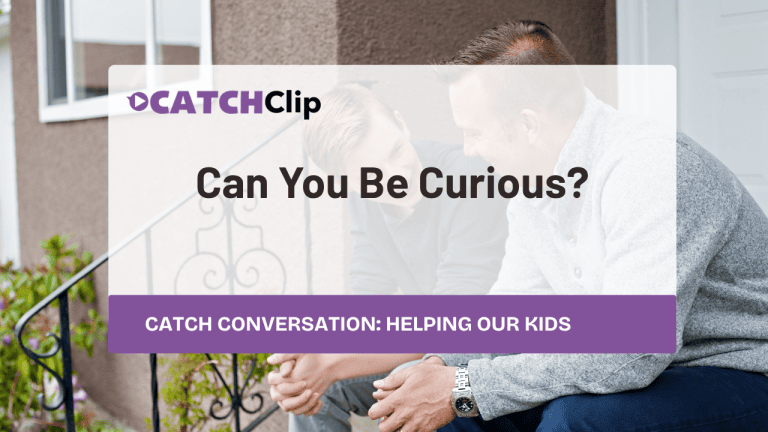
Shift from judging behavior to approaching it with curiosity so you can better understand what your child may be communicating.
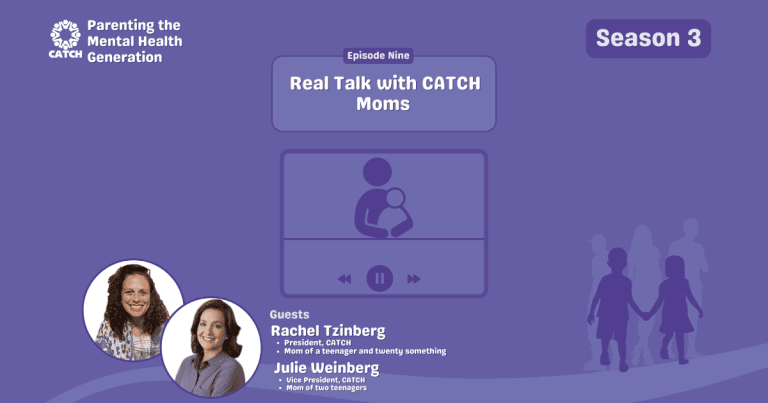
CATCH moms Rachel Tzinberg and Julie Weinberg share honest parenting lessons about communication, validation, and supporting kids through challenges.
Amy Oberholtzer and her daughter Shawn discuss anxiety, achievement pressure, validation, repair, and staying connected when parenting gets messy.
Jason Price offers practical ways to move beyond one-word answers and create more meaningful, lower-pressure conversations with kids.
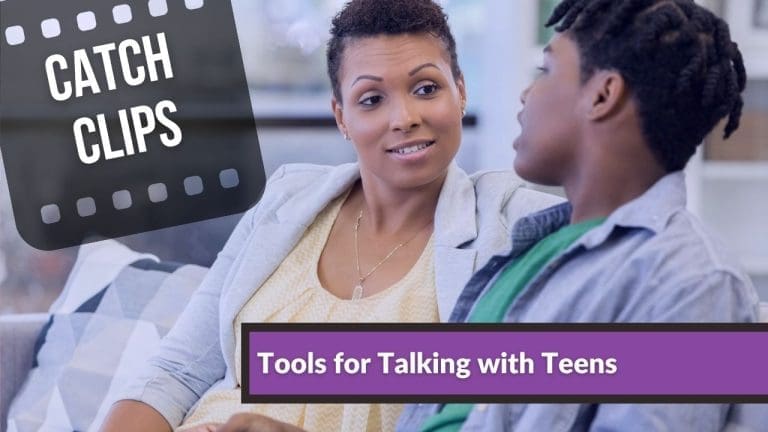
Get specific language and communication strategies for talking with teens through positive, difficult, and emotionally charged moments.
A practical parenting conversation with host Amy O. and teacher and parent Buffy Sallee on using curiosity, connection, and everyday moments to help kids discover their values and find their voice.
Discover how to create a more collaborative home while still setting clear expectations, maintaining boundaries, and following through with consequences.
Look beneath challenging behavior to identify and address the underlying need rather than focusing only on the visible symptom.
Learn how well-intended fixing, cheering, and path-clearing can unintentionally invalidate children and limit their ability to handle challenges.
Read Transcript
Learn how validation helps children feel understood and reduces the unintended harm that can come from fixing, minimizing, or dismissing feelings.
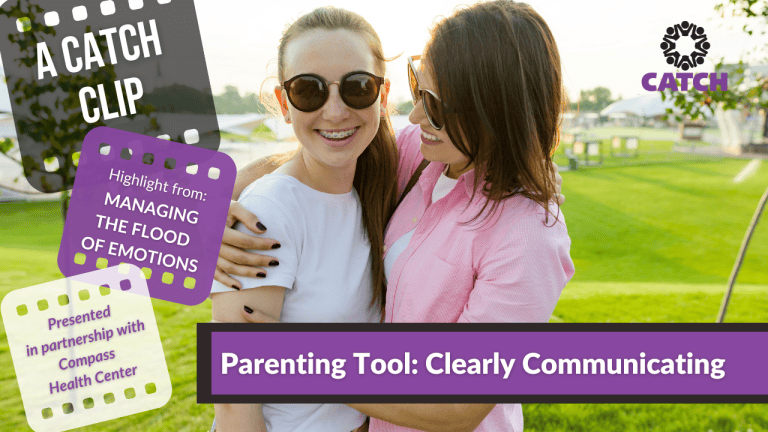
Replace repeated advice and quick fixes with clearer communication strategies that help children feel heard and families solve problems together.
Explore how one person’s mental health struggles affect the whole family and learn supportive language for navigating difficult conversations together.
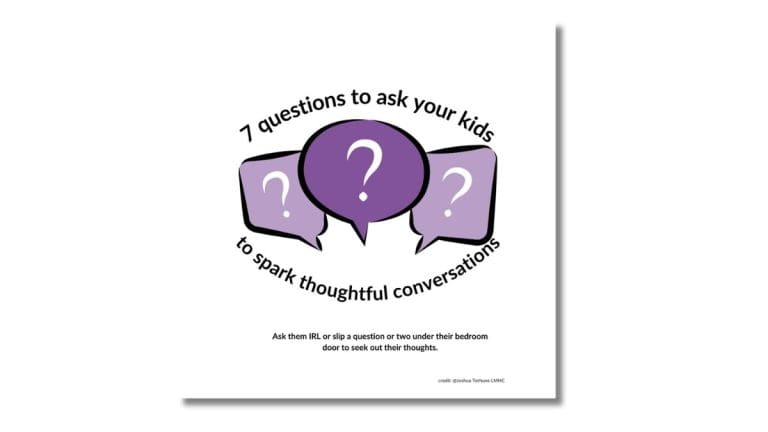
Use these seven thoughtful questions to start meaningful conversations with children and teens about their experiences, feelings, and perspectives.
Use CATCH’s guided conversation to facilitate a thoughtful discussion after viewing the documentary Try Harder!.
Read CATCH Event Summary
Learn how to look beneath challenging behavior, identify unmet needs, and collaborate with children instead of relying on power struggles.
Dr. Doug Bolton challenges common parenting myths that can increase pressure and stress for families. This summary offers practical guidance for redefining success, strengthening parent-child relationships, and helping children build independence and resilience.
CATCH President Rachel Tzinberg reflects on learning to bring more play, silliness, and low-pressure connection into family life.

Amy Oberholtzer reflects on parenting with less fear and creating more room for children to experience independence, failure, play, and growth.
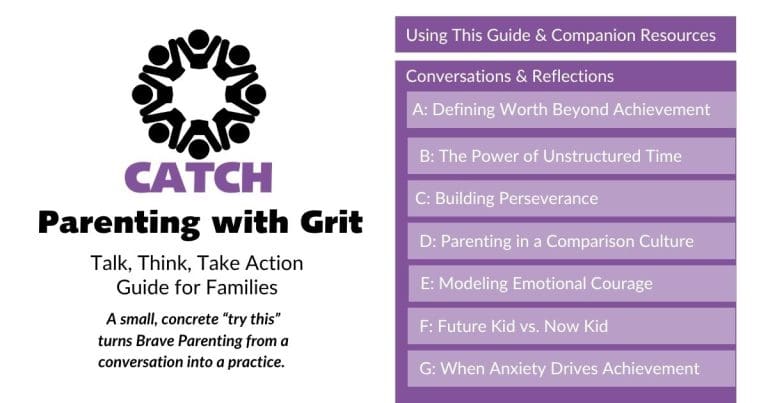
Use these prompts to support honest conversation, personal reflection, and small, meaningful steps toward raising more independent and resilient children.

A child psychiatrist explains behavioral signs of mental health challenges and what parents can watch for when children cannot clearly express their struggles.

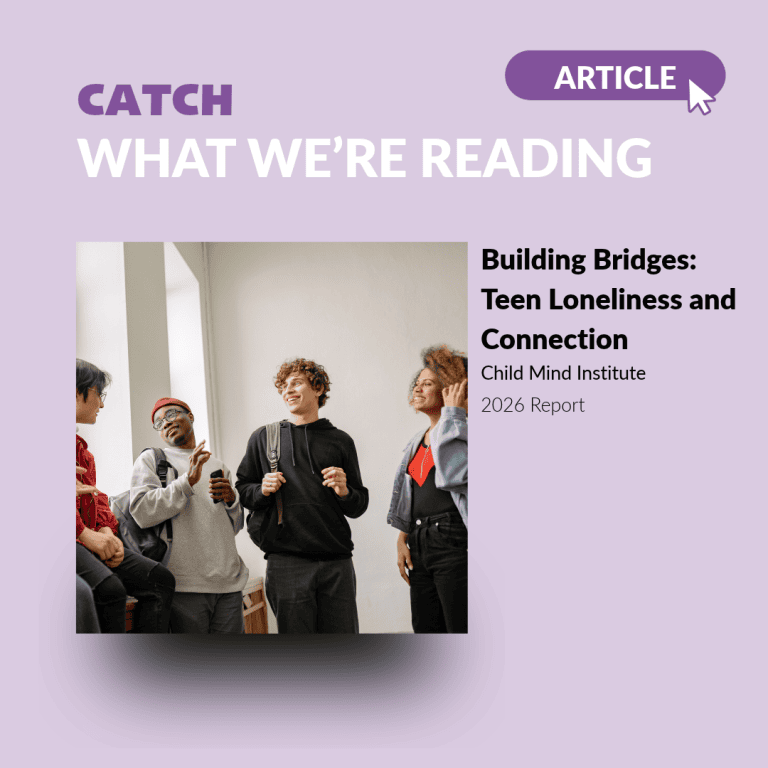
Child Mind Institute

Child Mind Institute is a nonprofit focused on transforming children’s mental health through science, education, and care. The site offers trustworthy information for families on anxiety, ADHD, learning challenges, behavior, and many other child and teen mental health topics.

Dr. Lisa Damour’s site offers research-backed guidance for parents and caregivers raising tweens and teens. You’ll find practical advice, articles, talks, and tools focused on adolescent development, anxiety, stress, friendships, and family relationships.
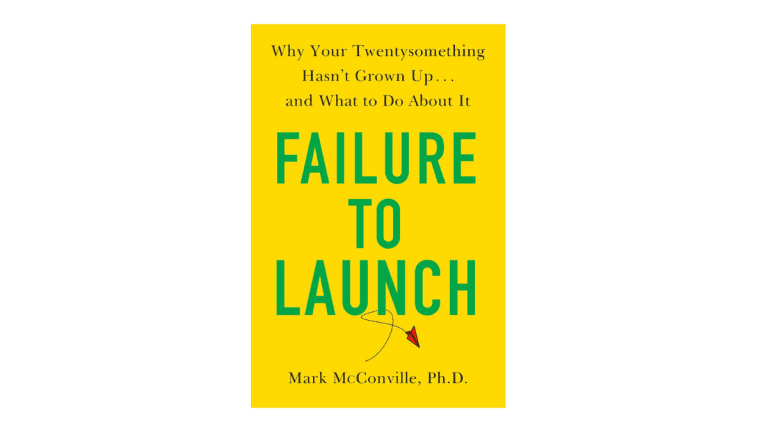

FAN offers a wide range of free programs and speaker events that bring parents, educators, and community members together around timely topics. It’s a strong local resource for learning, reflection, and family support through thoughtful conversation.
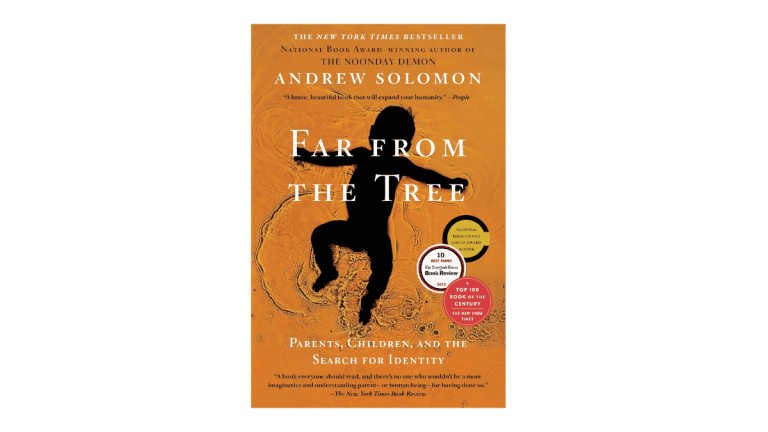
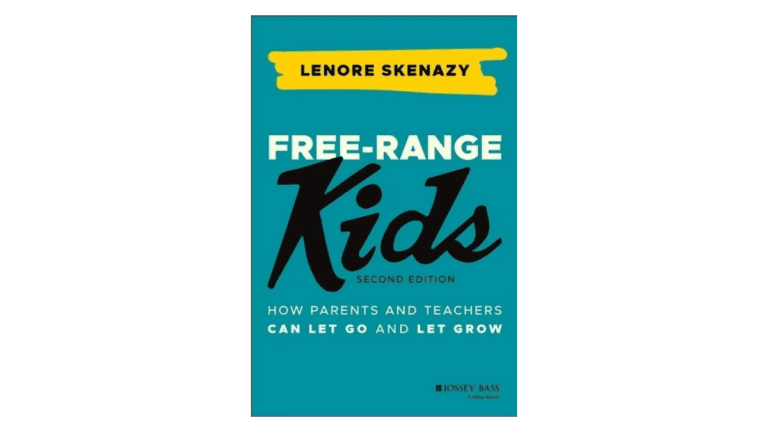
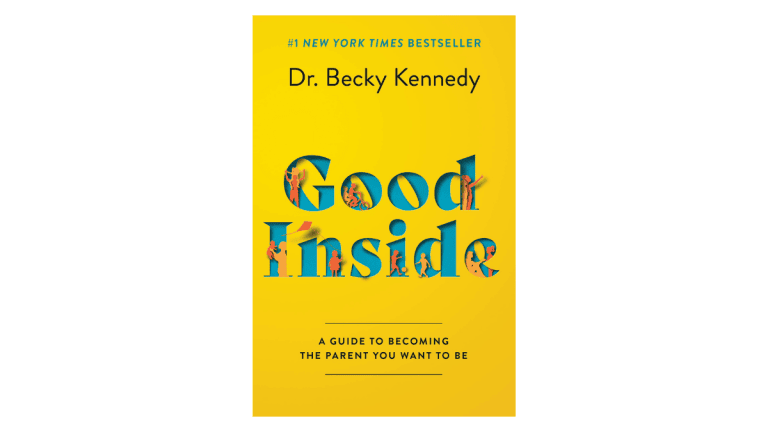

Good Inside gives parents practical, compassionate support for everyday challenges with kids from early childhood through the teen years. The site offers expert guidance, scripts, workshops, and tools that help parents set boundaries while staying deeply connected.

HealthyChildren.org is the American Academy of Pediatrics’ parenting site, offering expert-reviewed advice for raising children from infancy through young adulthood. Families can find practical, science-based guidance on health, development, behavior, emotions, and everyday parenting concerns.

Kristina Kuzmic, mental health advocate and author, has been down a hard road, shares her story authentically, and says the hard things out loud.


Whether you’re wondering how to handle a specific challenge, just figuring out your child-raising approach, or ready to tear your hair out, Aha! Parenting is ready to help.

Mia Wisinski is a mom, stepmom, and theatre educator with a goal of helping parents enjoy play through easy, kid-friendly activities aimed at connection.
J. Milburn- Mom of 3 & Parenting Mentor shares powerful memes, blogs, workshops and activities for parents.
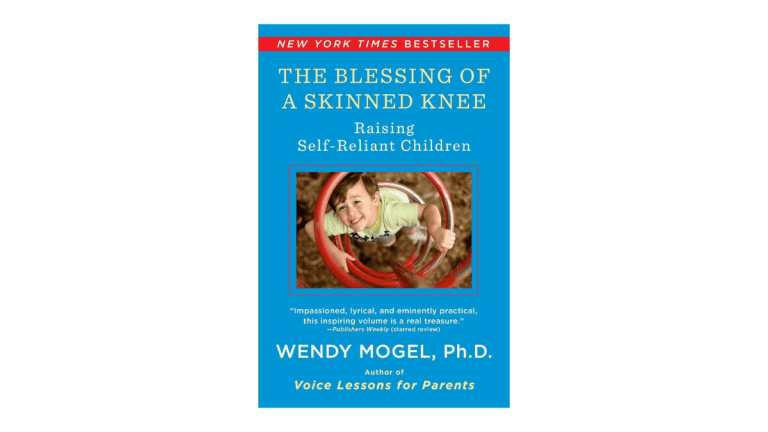

You will learn to become more authentic and empathic and focus on the vital relationship between you and your child.
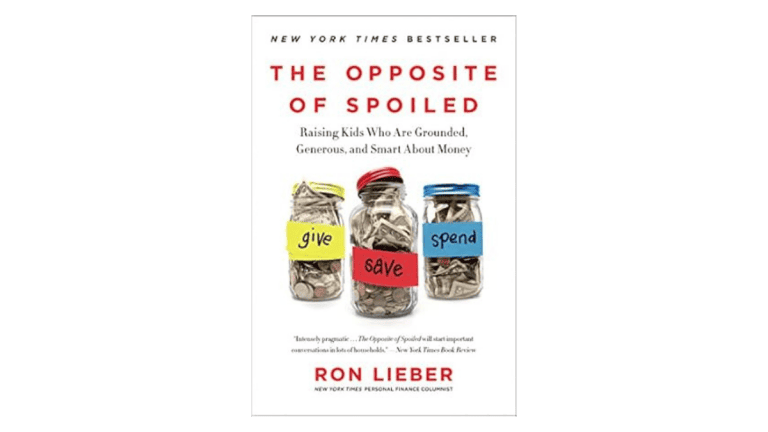
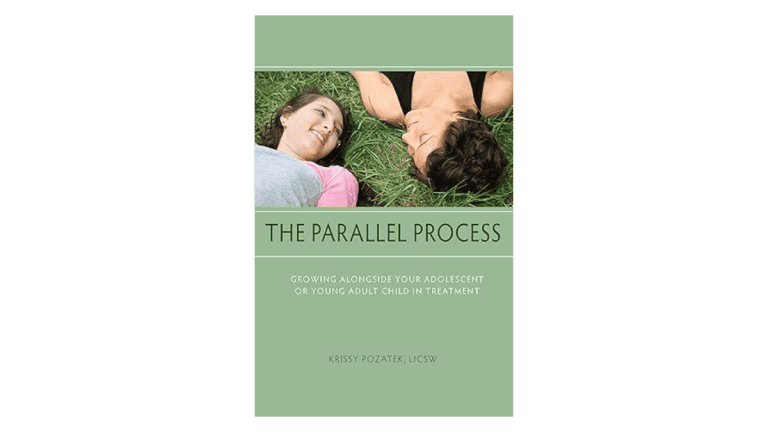
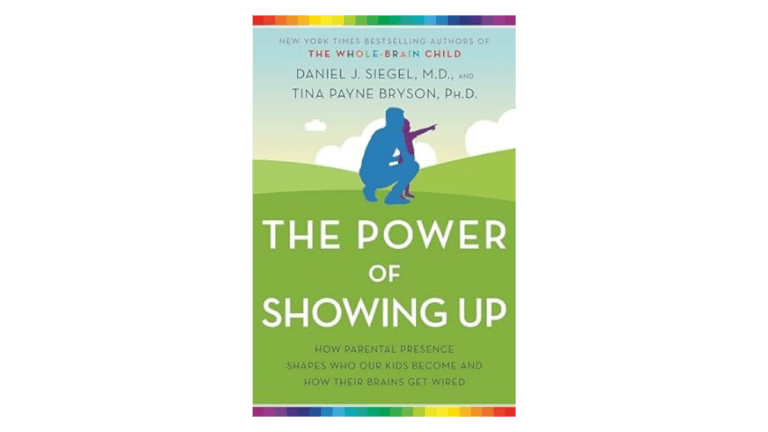
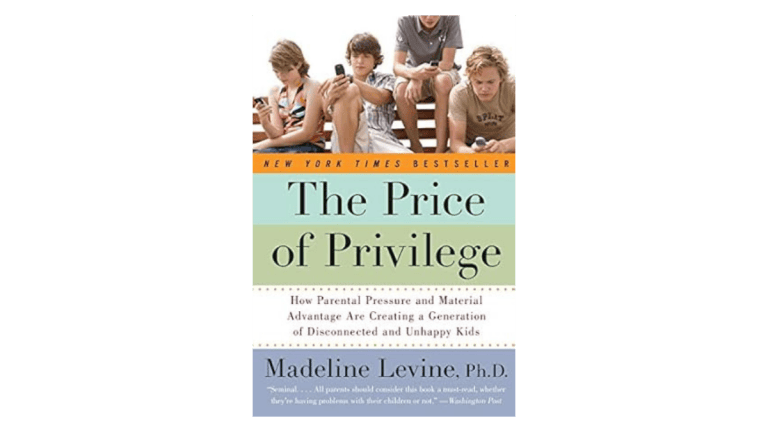
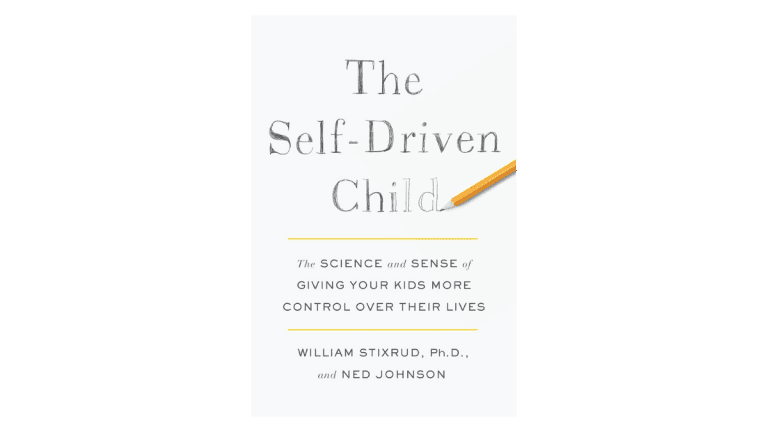
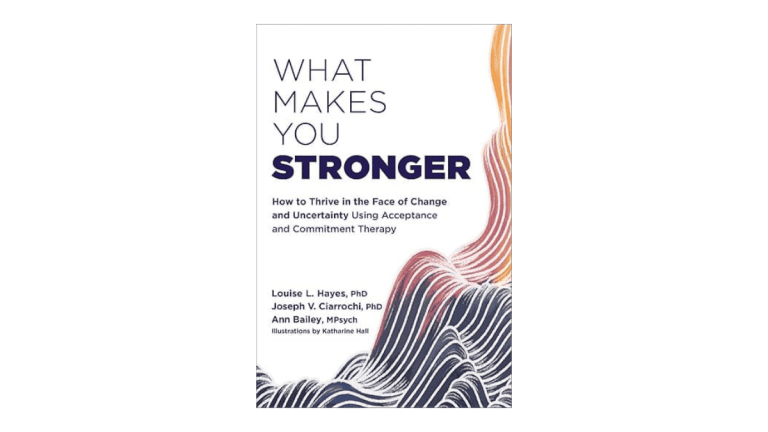

Jon Fogel is a parenting educator and Chicago area pastor who posts about brain-based ways to take the stress out of parenting.

CATCH, Community Action Together for Children's Health, is a 501(c)(3) that provides support and education for families around mental health topics. Original content and materials from CATCH and its collaborators are for informational purposes only. They are provided as a general resource and are not specific to any person or circumstance.

CATCH is dedicated to making a difference in our community.
P.O. Box 62
Northbrook, IL 60062
847-348-9122