CATCH Clip
Try the alphabet category game, a quick mindfulness exercise that redirects attention and helps calm an anxious or busy mind.

Try the alphabet category game, a quick mindfulness exercise that redirects attention and helps calm an anxious or busy mind.
Learn accessible calming and relaxation practices that support emotional regulation and everyday mental health.
Learn how to “cope ahead” by preparing children for uncertainty, anticipating challenges, and practicing useful responses in advance.
A therapist shares the practical coping skills she uses to manage stress, stay grounded, and restore calm.
Try four simple vagus nerve techniques designed to calm the body quickly and support nervous-system regulation.
Use sensory-based coping strategies to soothe anxiety, reconnect with the present moment, and help the body feel safer.
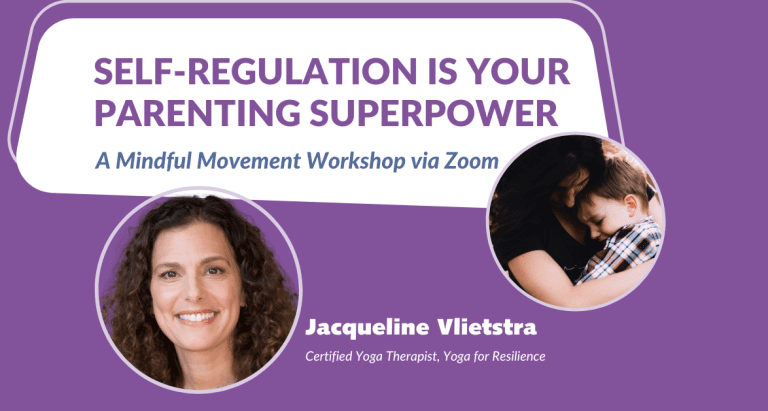
Learn how regulating your own nervous system can support your child, then practice mindful movement techniques that help restore calm and connection.
See Resources
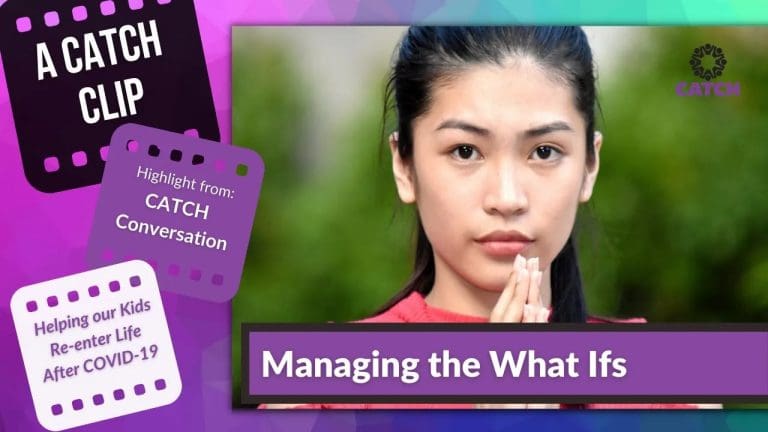
Use a present-moment grounding strategy to interrupt anxious “what if” thinking and reconnect the brain with the body.
CATCH Clip from our educational series that provides the following concise and quick tactical anxiety coping tools for you and your family to try:
4×4 Breathing
5 Senses
Coping Skills Bag
ABC Mindfulness
TIP
Learn several portable grounding tools families can use to manage anxiety and return attention to the present moment.
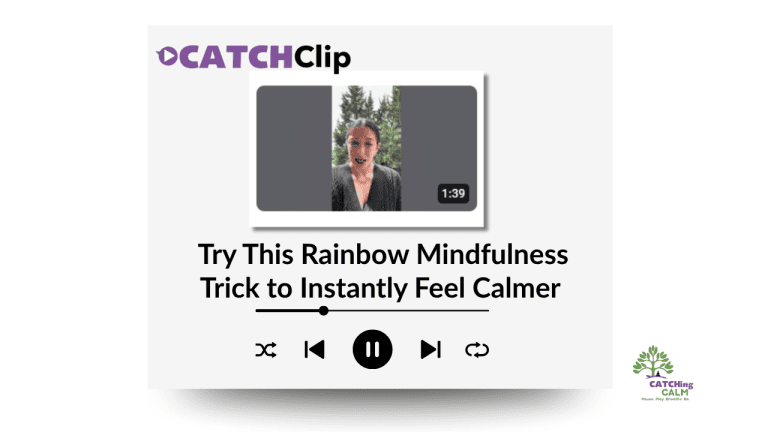
Practice a rainbow mindfulness exercise that uses the senses and surroundings to redirect attention and create calm.
Check the S.E.E.D.S. of self-care—sleep, exercise, eating, downtime, and support—to strengthen resilience during stressful periods.
Read Transcript
Focus on what you can control when life feels unpredictable and use that mindset to reduce anxiety for the whole family.
A local college student explains why pausing, journaling, reading, or resting can be a productive reset when responsibilities become overwhelming.

Feeling overloaded or scattered? This quick-reference guide offers simple grounding strategies you can use during the school day to reset your attention and get back to what’s in front of you. Try one technique and see what works best for you.

Learn simple, meaningful ways to support a friend who may be struggling. This student-friendly guide encourages listening without judgment, checking in, offering reassurance, and helping a friend connect with trusted support.

CATCH Resource
Not every break leaves you feeling refreshed. This guide offers short, practical ways to step away from studying and give your brain a real reset. Pick one when you need a pause, then come back when you feel ready to refocus.

Explore practical wellness strategies that support emotional well-being, reduce everyday stress, and encourage healthier habits. This easy-to-use resource offers simple reminders that young people and families can incorporate into daily life to care for their minds and bodies.

Low-energy days happen, especially during the winter months. This guide shares five small, realistic ways to add a little movement, connection, or something positive to your day. Choose one idea that feels doable and start there.
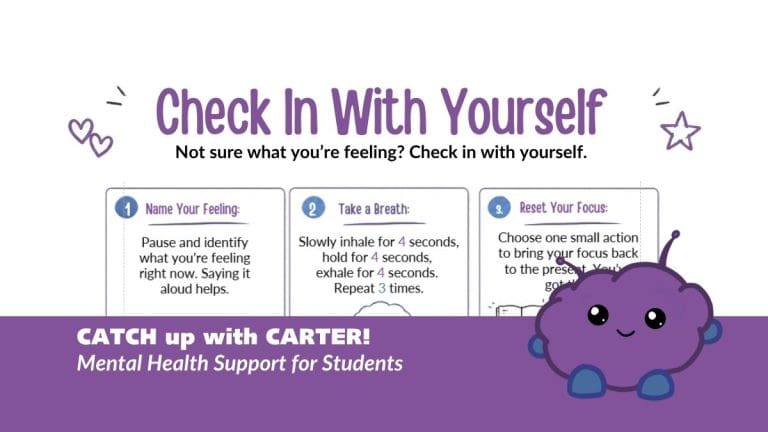
Sometimes “fine” doesn’t tell the whole story. Use this quick check-in to notice what you’re feeling, name it more clearly, and think about what you might need in the moment. You don’t have to fix the feeling—just start by noticing it.
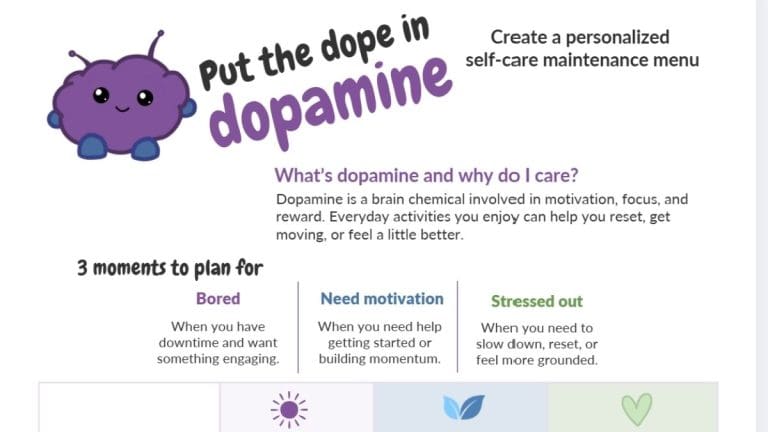
Create your own dopamine menu with simple activities that can help when you’re bored, need motivation, or feel stressed. This printable worksheet helps young people notice what works for them and build a personalized list of go-to ways to reset, recharge, or get moving.
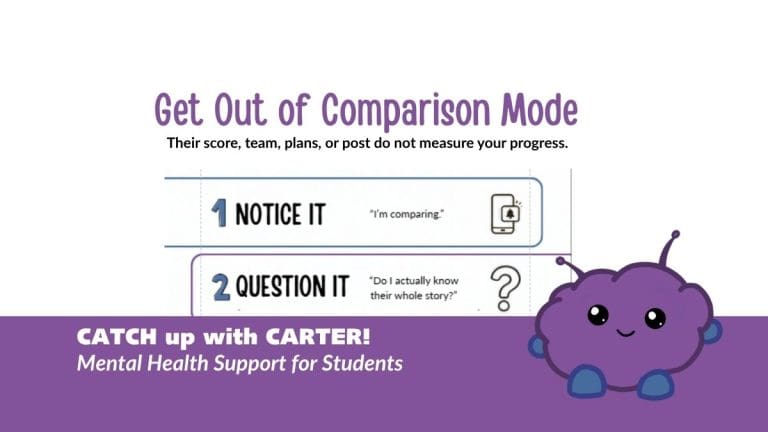
It’s easy to get caught comparing your scores, plans, teams, or experiences with someone else’s. This quick reset helps you notice when comparison is taking over and redirect your attention toward what matters in your own life. Use it whenever you need to get back in your lane.
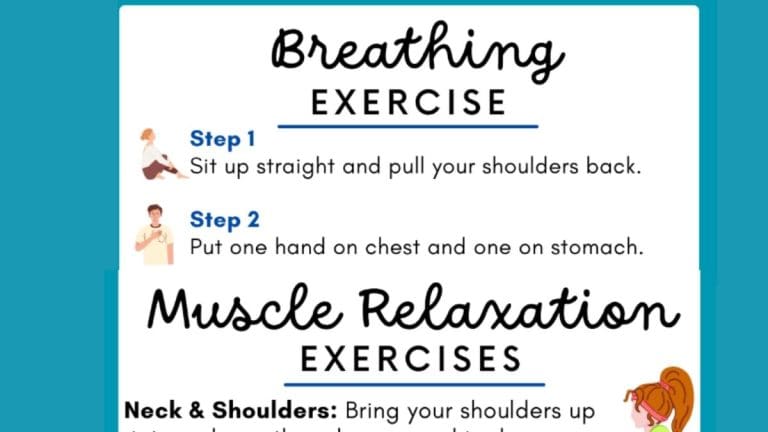
Explore simple coping tools designed to help middle school students manage stress, regulate strong emotions, and feel more grounded. These practical strategies can be used at school or at home whenever students need a moment to pause, reset, and regain focus.
Explore simple breathing and mindful movement exercises designed to help parents regulate their nervous systems during stressful moments. These practical techniques can help you feel calmer, reconnect with your body, and model healthy self-regulation skills for your children.

A parent shares a grounding strategy for interrupting spiraling worries, finding calm, and moving through difficult parenting moments.
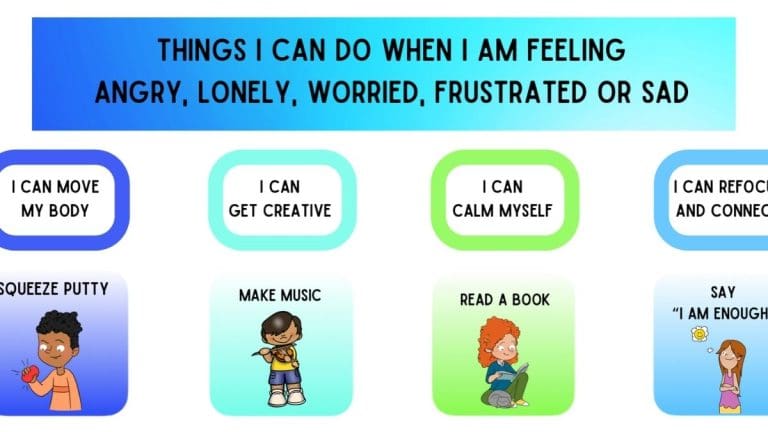
Designed for children in third grade and younger, this colorful poster introduces simple activities that can help calm the body and mind when big feelings arrive. Children can practice breathing, grounding and movement exercises using the world around them—at school, at home or in the car. Parents, caregivers and educators can use the poster to help young children explore different coping strategies and discover which tools work best for them.
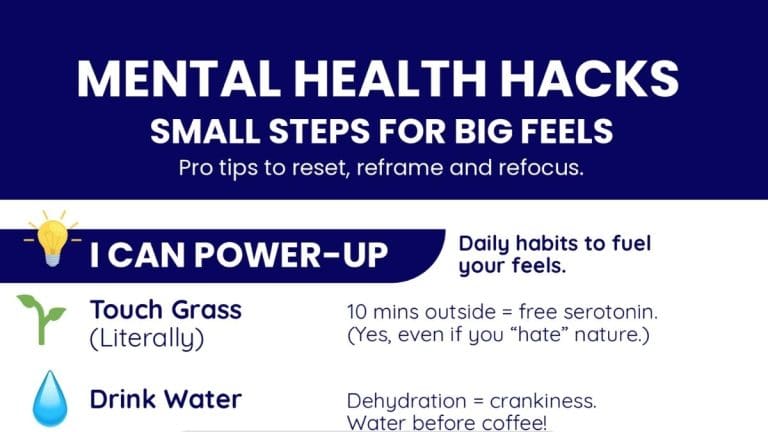
Discover simple mental health hacks and quick resets designed to help students manage stress, regain focus, and feel more grounded throughout the school day.
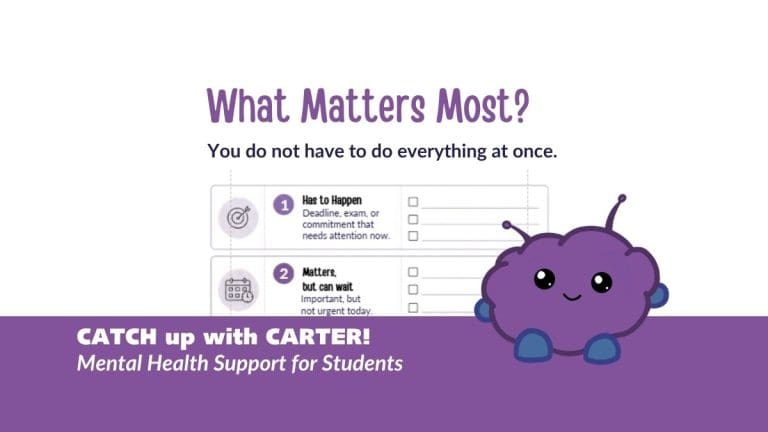
When everything feels important, deciding where to start can be the hardest part. Use this simple prioritizing tool to sort what needs your attention now, what can wait, and what doesn’t need your full energy. Then choose one thing and start there.
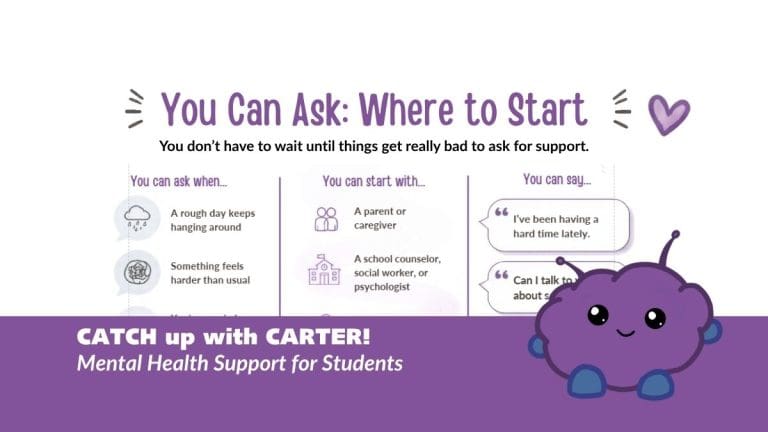
You don’t have to wait until things feel overwhelming to ask for support. This guide can help you recognize when it might be time to talk, identify someone you trust, and find words to start the conversation. Use it as a starting point when you’re not sure what to say.

CATCH, Community Action Together for Children's Health, is a 501(c)(3) that provides support and education for families around mental health topics. Original content and materials from CATCH and its collaborators are for informational purposes only. They are provided as a general resource and are not specific to any person or circumstance.

CATCH is dedicated to making a difference in our community.
P.O. Box 62
Northbrook, IL 60062
847-348-9122